
How to Choose Your First Motorcycle Helmet: Advice from CBT Instructors

One of the most common questions we hear from new riders is:
"What helmet should I buy?"
Whether you're preparing for your CBT, thinking about moving on to your full motorcycle licence, or simply looking to replace an old helmet, choosing the right helmet can feel overwhelming. There are countless brands, styles, features and price points available, making it difficult to know where to start.
As motorcycle instructors, we've helped hundreds of riders take their first steps into motorcycling, and we've seen first-hand the mistakes people make when choosing a helmet. The good news is that finding the right helmet doesn't have to be complicated.
Here's the advice we regularly give to our CBT and Mod 1 students.

Why Your First Motorcycle Helmet Matters
Your helmet is the single most important piece of motorcycle equipment you'll own.
While jackets, gloves and boots all play an important role in rider safety, your helmet is designed to protect the most vital part of your body – your head.
A good motorcycle helmet can help:
Protect you in the event of an accident
Reduce wind noise and rider fatigue
Improve comfort during longer rides
Keep you focused on the road
Provide clear visibility in varying weather conditions
A helmet isn't just a legal requirement; it's an investment in your safety and confidence as a rider.
The Most Important Factor: Fit
Many new riders assume that safety ratings or brand names are the most important factors when choosing a helmet.
In reality, the most important factor is fit.
Even the most expensive helmet on the market won't perform as intended if it doesn't fit properly.
A correctly fitted helmet should:
Feel snug all the way around your head
Sit level on your head
Stay in place when you move your head from side to side
Not lift excessively when you pull up from the rear
Feel secure without causing pain or pressure points
When trying on a new helmet, it should feel firmer than most people expect. The internal padding will naturally settle slightly over time, so a helmet that feels loose when new is likely to become even looser with use.
At RIDE Motorcycle Training, we always recommend trying helmets on before buying wherever possible.
How to Measure Your Head for a Motorcycle Helmet
If you're buying your first helmet, measuring your head is a useful starting point.
Using a flexible tape measure, measure around the widest part of your head, approximately 2cm above your eyebrows and around the back of your head.

This measurement will give you a helmet size according to the manufacturer's sizing guide.
However, sizing is only a starting point.
Our recommeded helmets are LS2 and the size guide for thes is:

Different helmet brands have slightly different internal shapes, which is why a Medium in one brand may feel completely different to a Medium in another.
Always prioritise fit over the size printed on the label.
Understanding Motorcycle Helmet Safety Standards
One area that often causes confusion is helmet safety standards.
In the UK, motorcycle helmets must meet recognised safety requirements to be legally worn on the road.
Modern helmets undergo extensive testing to assess:
Impact protection
Retention system strength
Visor performance
Shell durability
Overall rider protection
When purchasing a helmet, always buy from a reputable supplier and ensure the helmet is designed and approved for motorcycle use.
A common misconception is that spending more automatically means better protection.
While premium helmets may offer additional features, comfort and reduced weight, a properly fitted helmet from a trusted manufacturer will always be preferable to a poorly fitting premium option.
Full Face, Open Face or Modular?
For most CBT riders, we generally recommend a full-face helmet.
Full Face Helmets
These provide protection around the chin, jaw and face as well as the rest of the head.
Benefits include:
Maximum protection
Reduced wind noise
Better weather protection
Improved comfort at higher speeds

Open Face Helmets
These leave the face exposed and are often chosen for style or comfort during slower riding.
However, they provide less facial protection than a full-face design.
Modular Helmets
Sometimes called flip-front helmets, these combine elements of both styles.
They can be convenient for touring riders and those who wear glasses, although they are often slightly heavier than traditional full-face helmets.
For new riders completing CBT and learning roadcraft skills, a full-face helmet remains one of the most popular and practical choices.

Common Helmet Buying Mistakes
Over the years, we've seen a few common mistakes made by new riders.
Buying the Cheapest Option Available
Budget matters, especially when you're purchasing all your riding gear at once.
However, buying solely on price can lead to poor comfort, excessive wind noise and a helmet you'll want to replace sooner rather than later.
Choosing Style Over Fit
It's natural to want a helmet that looks good.
But appearance should never come before fit and comfort.
Buying Second-Hand
We generally advise against buying used helmets.
It's impossible to know:
Whether the helmet has been dropped
Whether it's been involved in an accident
How it has been stored
Whether internal damage exists
A helmet can appear perfect externally while having unseen damage internally.
Wearing the Chin Strap Too Loose
This is something instructors regularly spot during training.
A helmet is only effective when correctly fastened. The chin strap should be secure and comfortable, preventing excessive movement while riding.
Features Worth Looking For
Modern motorcycle helmets offer a wide range of features.
Some of the most useful include:
Effective Ventilation - Good airflow helps reduce visor misting and keeps riders comfortable during warmer weather.
Removable Liners - Being able to remove and wash the internal lining helps keep your helmet fresh and comfortable.
Lightweight Construction - A lighter helmet can reduce neck fatigue, especially on longer journeys.
Quality Visor Systems - A clear visor with good optical quality improves visibility and rider confidence.
Easy Fastening Systems - Simple, secure fastening systems make everyday use easier and encourage proper adjustment.
When Should You Replace a Motorcycle Helmet?
Motorcycle helmets are not designed to last forever.
You should consider replacing your helmet if:
It has been involved in an accident
It has sustained a significant impact
The shell is damaged
The internal lining has deteriorated
It no longer fits correctly
It has reached the end of its recommended lifespan
Even a seemingly minor drop can potentially affect a helmet's protective performance.
If you're ever unsure, seek professional advice.
Our Recommendation for New Riders
Many riders completing their CBT are looking for a helmet that balances safety, comfort and affordability.
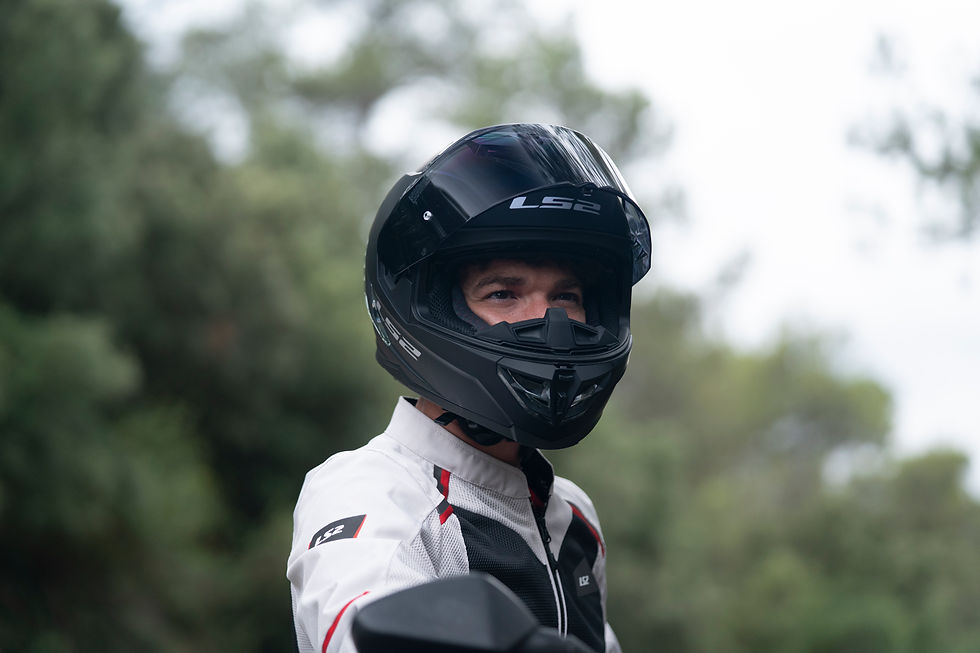
This is one of the reasons we stock LS2 helmets.
LS2 has built a strong reputation for producing modern, practical helmets that offer excellent value for money.
One model that has proven particularly popular with new riders is the LS2 Rapid range.
We've a fair few Rapid 2 Helmets in stock and ready to go but are seteadily being replaced by The Rapid 3 when we sell out...
The Rapid range offers many of the features first-time riders need, including:
Modern full-face design
Comfortable fit
Lightweight feel
Practical everyday usability
Excellent value for money
For riders beginning their motorcycle journey, it provides a sensible balance between protection, comfort and affordability.
Need Help Choosing Your First Helmet?
Buying your first motorcycle helmet doesn't need to be stressful.
The key things to remember are:
Prioritise fit above everything else.
Buy from a reputable supplier.
Choose a recognised motorcycle helmet.
Avoid second-hand helmets.
Select a helmet you'll be comfortable wearing every time you ride.
If you're preparing for your CBT or looking for advice on motorcycle equipment, our team is always happy to help.
We'll help you find the right fit, explain the options available and make sure you leave with a helmet that gives you confidence every time you get on the bike.
After all, the best helmet is the one that fits properly, feels comfortable and protects you every time you ride.


Comments